
The science behind everyday care.
Short, plain-language notes on the questions we work on: how skin holds water, why scent fades, how ingredients are found and how claims should be tested. Each starts with a direct answer.
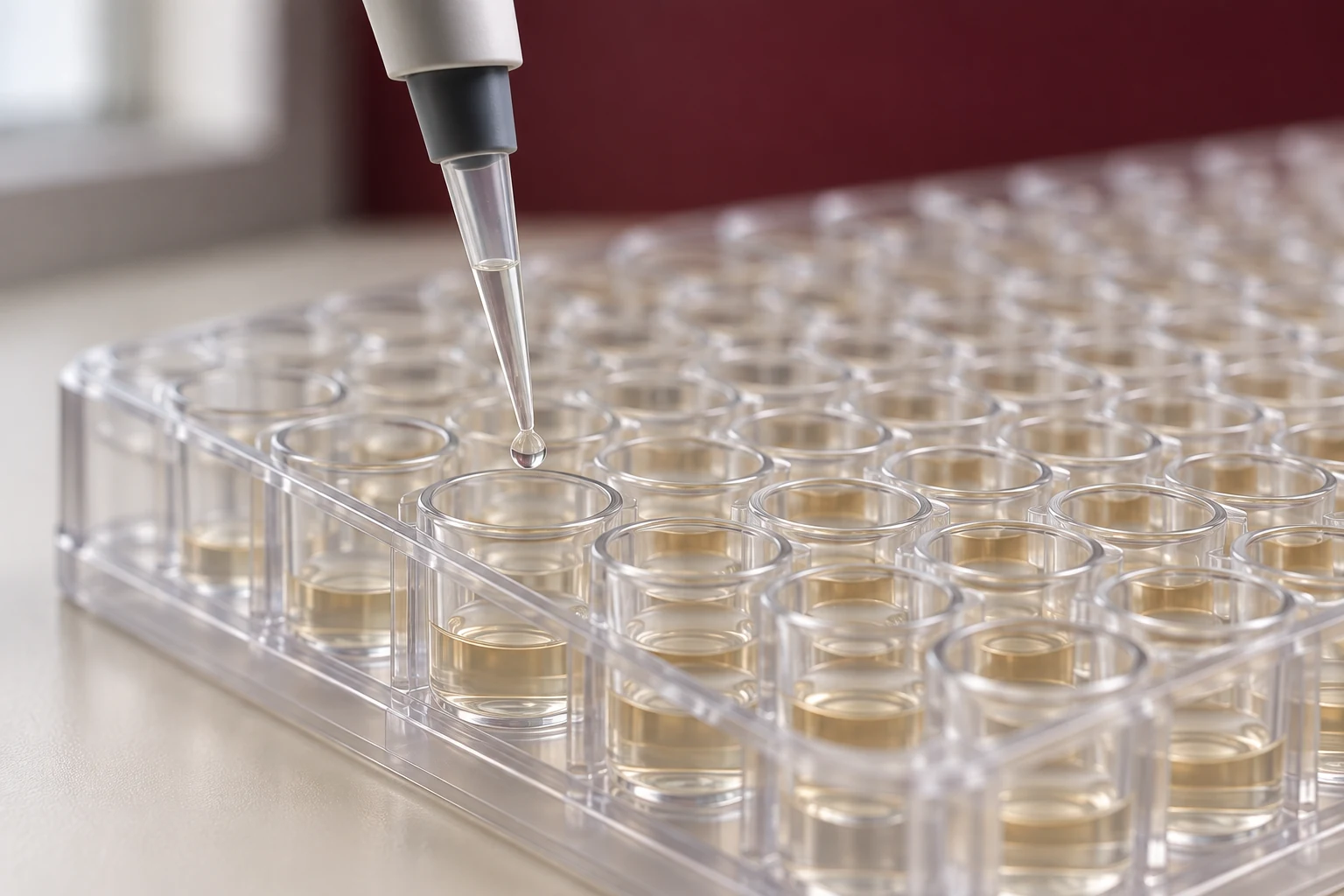
How AI is used to discover cosmetic ingredients
DiscoveryWhat AI-assisted discovery actually does for cosmetic and fragrance actives, what it cannot do, and why lab and human testing still decide.
Read the note →
Why fragrance fades faster on warm, humid skin
FragranceHow fragrance evaporates from skin, why heat, humidity and the product base change how long a scent lasts, and what formulators can do about it.
Read the note →
The skin barrier, explained: lipids, moisture and water loss
SkinWhat the skin barrier is made of, how it holds water, what damages it in hot and humid climates, and how body care can support it.
Read the note →
Uneven tone on melanin-rich skin: why gentle routes matter
SkinWhy melanin-rich skin is more prone to marks after irritation, why harsh treatments can make pigmentation worse, and what a gentle approach looks like.
Read the note →
Body odour and the skin microbiome
Body careWhy sweat itself barely smells, how skin bacteria create body odour, and how deodorants and body care can work with the microbiome rather than against it.
Read the note →
Fermentation-derived cosmetic ingredients: what biotech means in beauty
BiotechHow fermentation is used to make cosmetic ingredients, which familiar ingredients are already made this way, and the benefits and limits of the route.
Read the note →
Green chemistry for cosmetic actives: the principles that matter most
SustainabilityHow the twelve principles of green chemistry apply to making cosmetic actives, and why sustainability decisions start in discovery, not packaging.
Read the note →
How a cosmetic claim should be tested
StandardsThe kinds of evidence behind cosmetic claims, from lab assays to human use tests, and the four rules that make a claim worth trusting.
Read the note →No notes match this search. Try a broader term.
For our perspectives and announcements, see Science & news.