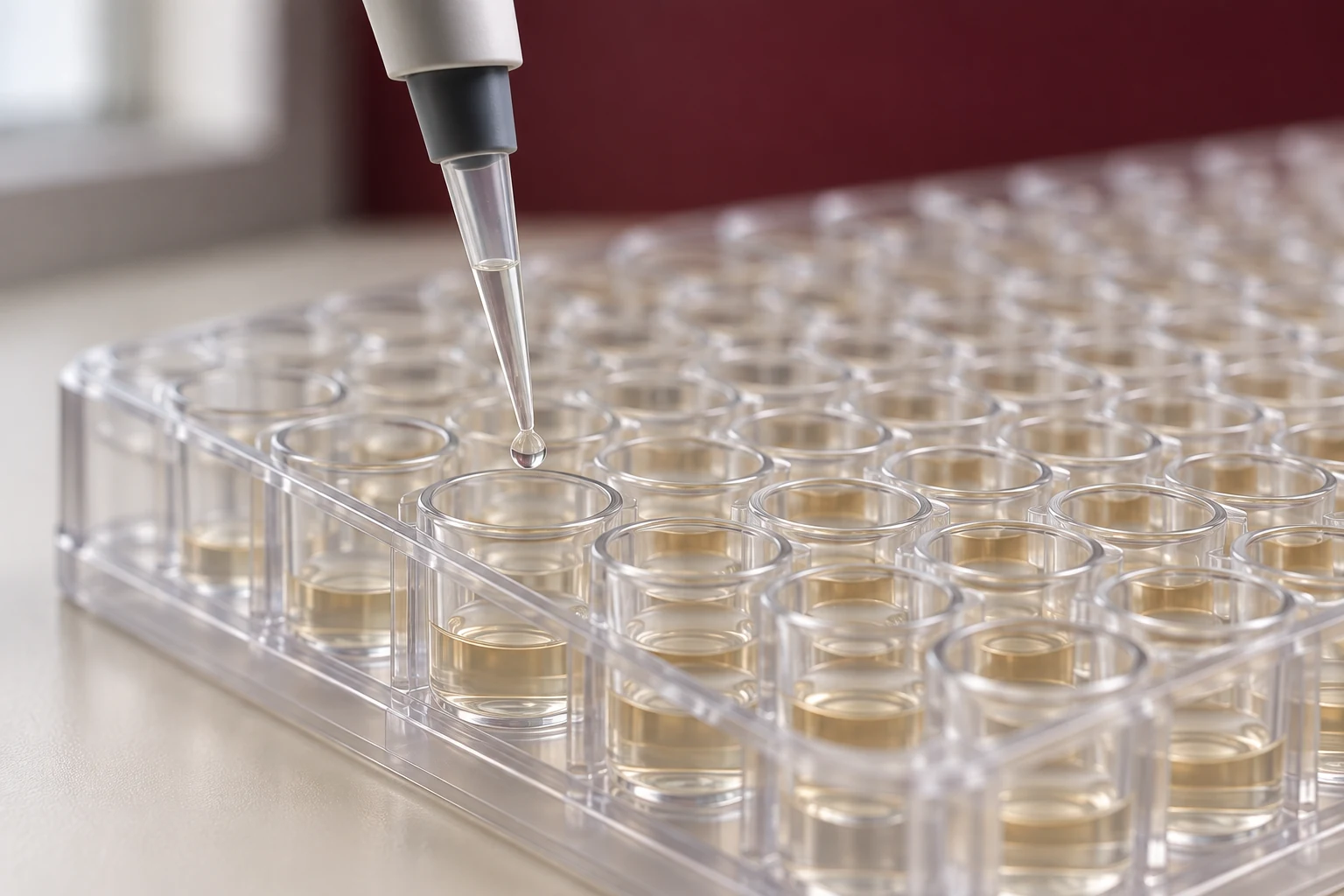
Short answer. AI-assisted ingredient discovery uses models to rank candidate molecules or extracts against a target, such as a skin pathway or a scent profile, before any lab work. It narrows a large list to a short one. It does not prove that anything works: lab assays, stability testing and human use tests still decide.
Where AI fits in the discovery loop
Classic cosmetic discovery is slow because the bench is the bottleneck. Every candidate that is synthesised, extracted or bought has to be tested, and most fail. Models are useful because they move the first cut from the bench to the computer.
In practice a discovery team defines a target (for example, supporting barrier lipids, or a fragrance note that lasts longer on skin), gathers structured data about what is already known, and asks a model to score many candidates against that target. The highest-scoring few go to the lab.
What a model can and cannot tell you
A model can predict properties it has seen patterns for: solubility, volatility, likely irritation flags, similarity to known actives, or how a fragrance molecule may evaporate. It can also spot combinations a person would not think to try.
A model cannot replace measurement. Its output is only as good as its training data, and published skin data has historically over-represented a narrow range of skin types and cooler climates. That is a real limitation for products used on melanin-rich skin in heat and humidity, and it is why we treat every model score as a hypothesis.
Why formulation and manufacturing data matter
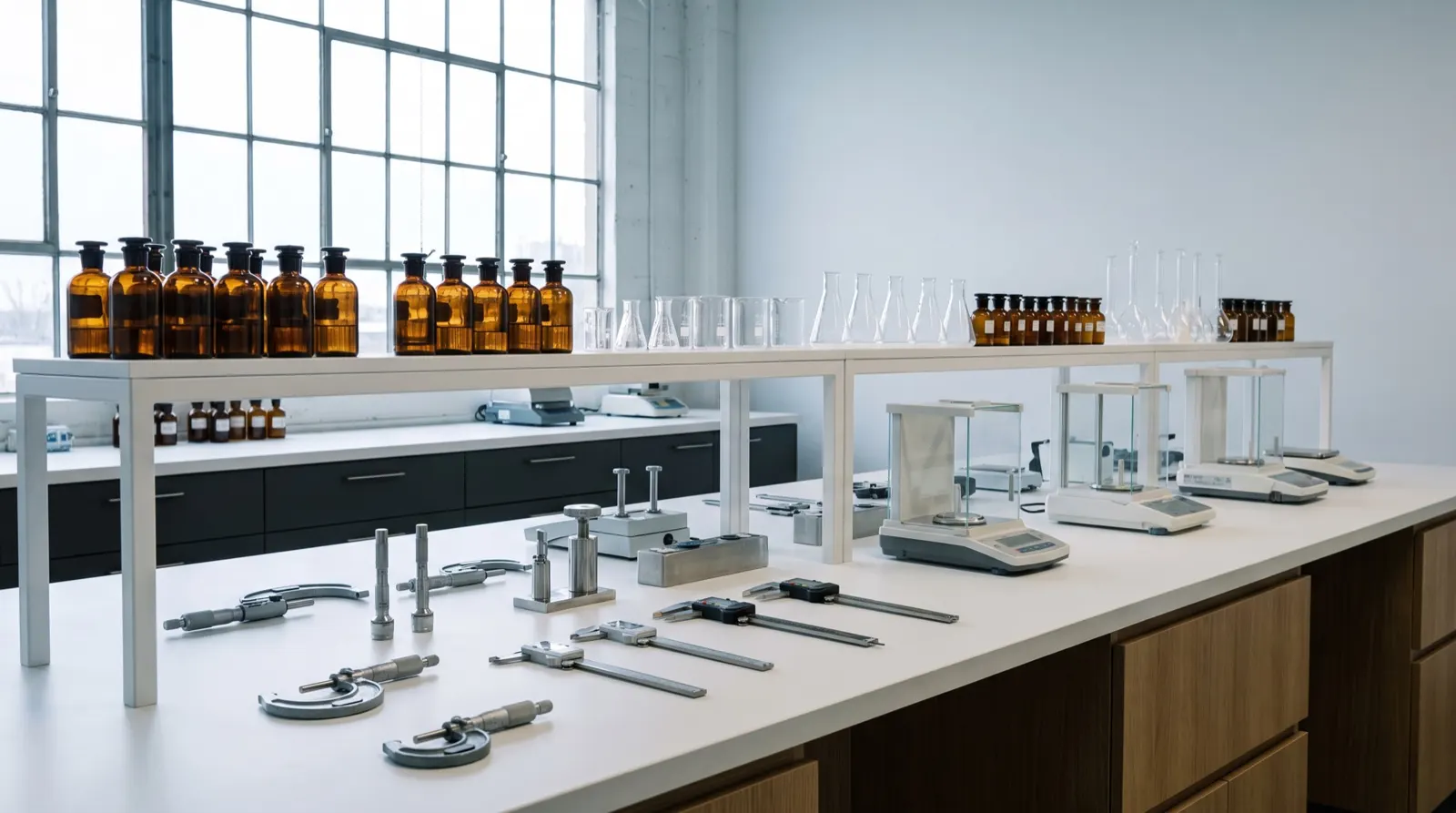
An active that works in a test tube can still fail in a product: it may destabilise an emulsion, discolour, smell wrong or be too costly to use at an effective level. Discovery teams that can test candidates in real formulas, at real batch sizes, find these problems early.
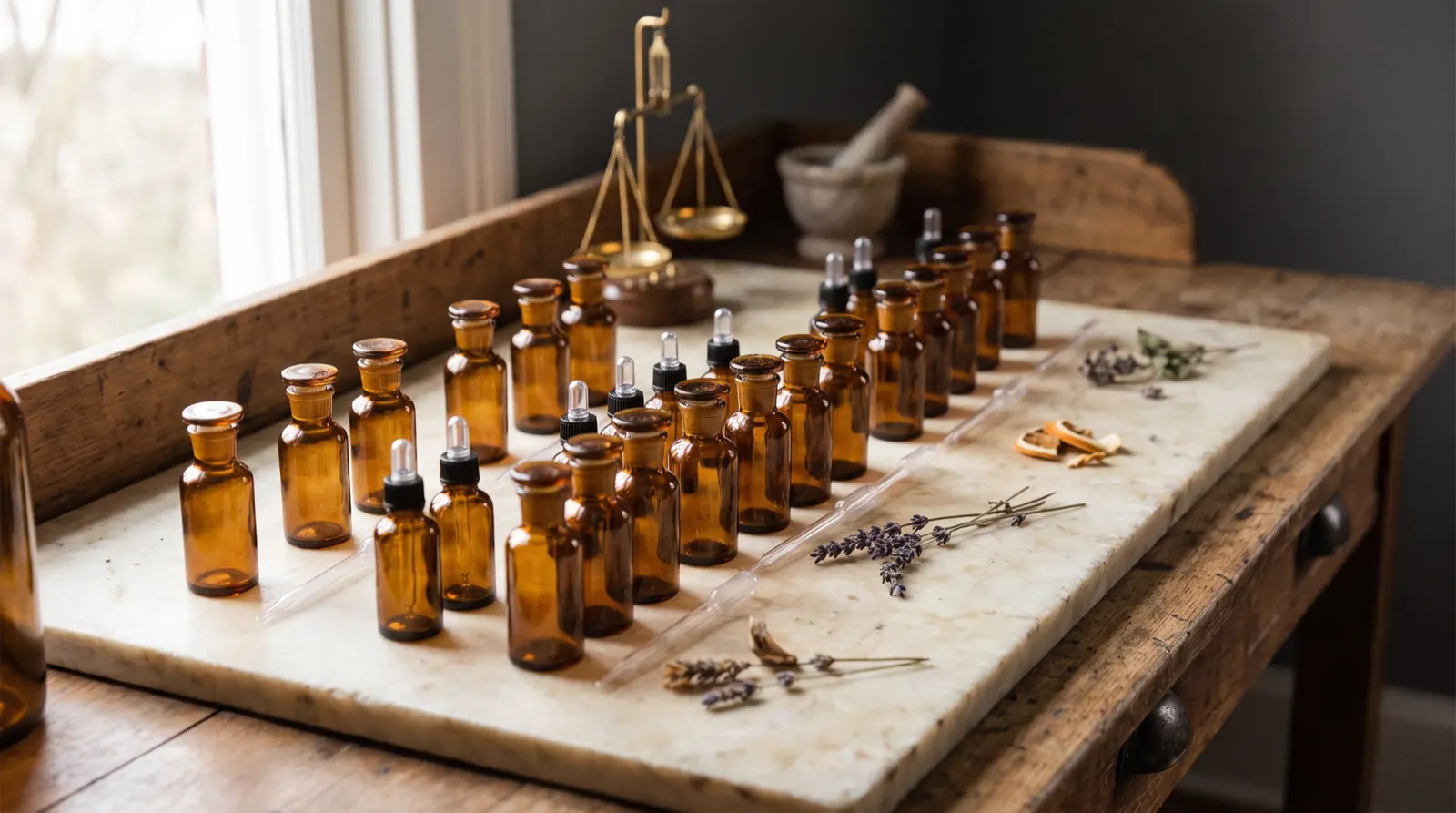
Anadoris Biotech is building its models next to a group formulation library of 1,269 ready formulas and 700 raw materials and oils on file. That data is about making products, not only about biology, and it is the part most discovery programmes lack.
| Question | Can a model help? | What decides it |
|---|---|---|
| Which candidates are worth testing? | Yes: ranking and filtering large lists | Lab screening of the shortlist |
| Will it be stable in a lotion or wash? | Partly: flags known incompatibilities | Stability and compatibility testing in the real base |
| Is it safe on skin? | Partly: flags known irritants and structural alerts | Safety assessment and in-vitro methods |
| Does it do what we claim? | No | Assays and human use tests with a control |
| Will people like using it? | No | Sensory panels and real-world use |
How a candidate moves from model to product
- Define one target and how success will be measured.
- Assemble structured data: biology, materials, past formulas and safety information.
- Score candidates with the model and keep a short list.
- Test the short list in the lab, including stability in real bases.
- Run human use tests with a control before any claim is written.
- Formulate and manufacture on existing GMP lines.
Questions
Does AI make cosmetic ingredients safer?
It can flag known risks earlier, which helps teams drop weak candidates sooner. Safety is still established by assessment and testing, not by a model score.
Are AI-discovered ingredients regulated differently?
No. An ingredient is assessed for what it is and how it is used, not for how it was found. The same cosmetic rules apply.
Does Anadoris Biotech have AI-discovered actives in products today?
Not yet. The discovery models are being built. We will name programmes and publish results only when there is data.
Related
This note is general information about cosmetic science, not medical advice and not a claim for any product. Anadoris Biotech’s research is at the exploration stage; see the platform page for what runs today and what is being built.