Short answer. Fermentation uses microorganisms such as yeast or bacteria to make ingredients in controlled tanks. Several familiar cosmetic ingredients are already commonly made this way, including hyaluronic acid, squalane from sugarcane and some vitamins. The route can reduce reliance on animal or scarce sources, but it still needs energy, feedstock and careful quality control.
What fermentation does
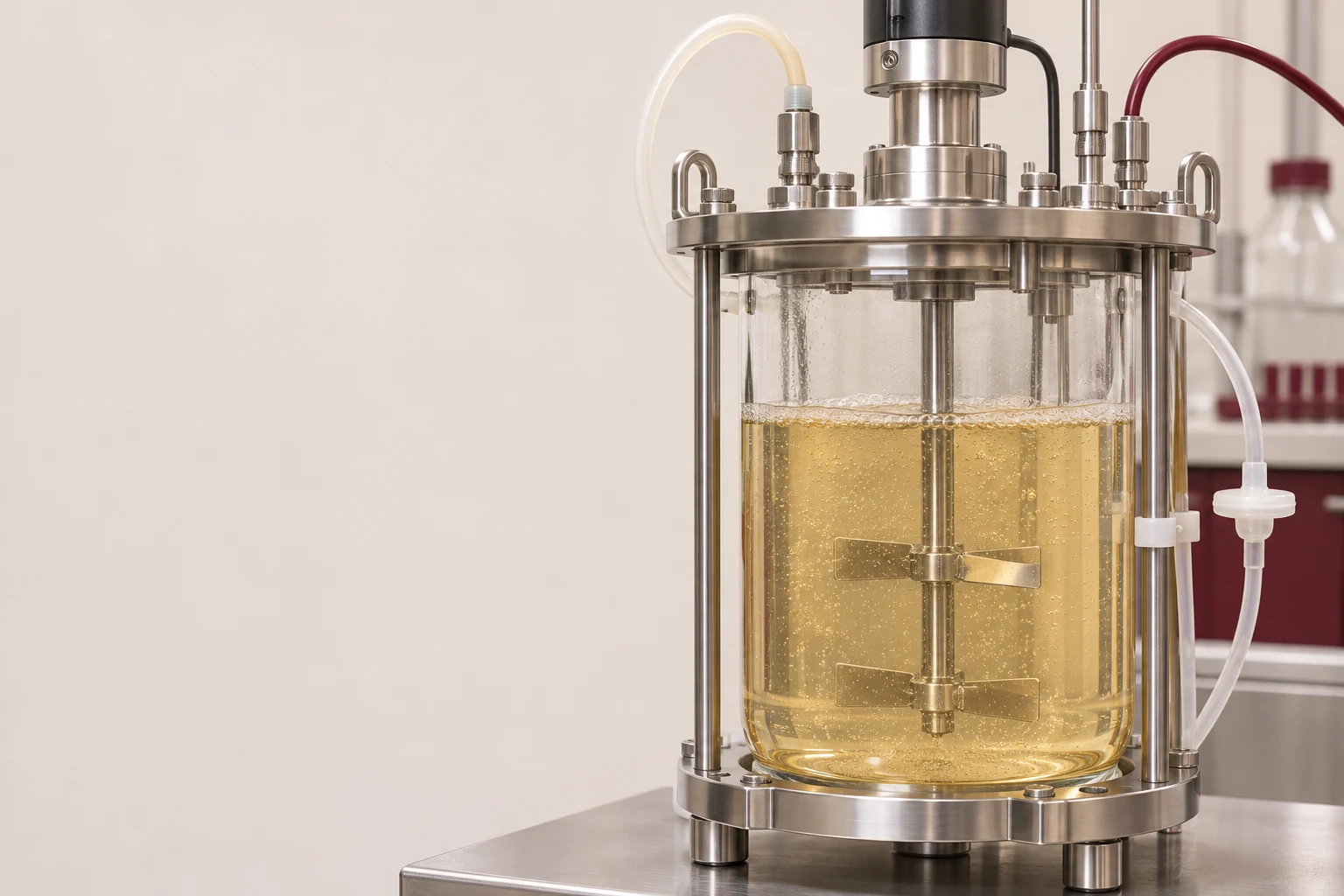
In a fermentation process, a microorganism is fed a sugar or other feedstock and produces a target molecule. The molecule is then separated, purified and tested. Brewing and baking use the same basic idea; cosmetic biotech applies it to specific ingredients.
Ingredients already made this way
Hyaluronic acid was once extracted from animal tissue and is now commonly produced by bacterial fermentation. Squalane, a skin-friendly emollient, was historically sourced from shark liver; plant and sugarcane-fermentation routes have largely replaced that. Some vitamins, organic acids and polysaccharides are also made by fermentation.
Benefits and limits
Fermentation can give consistent quality, avoid animal sources and reduce pressure on scarce plants. It is not automatically low-impact: the feedstock, energy use, purification and waste all count. A fair comparison looks at the whole process, not only the word on the label.
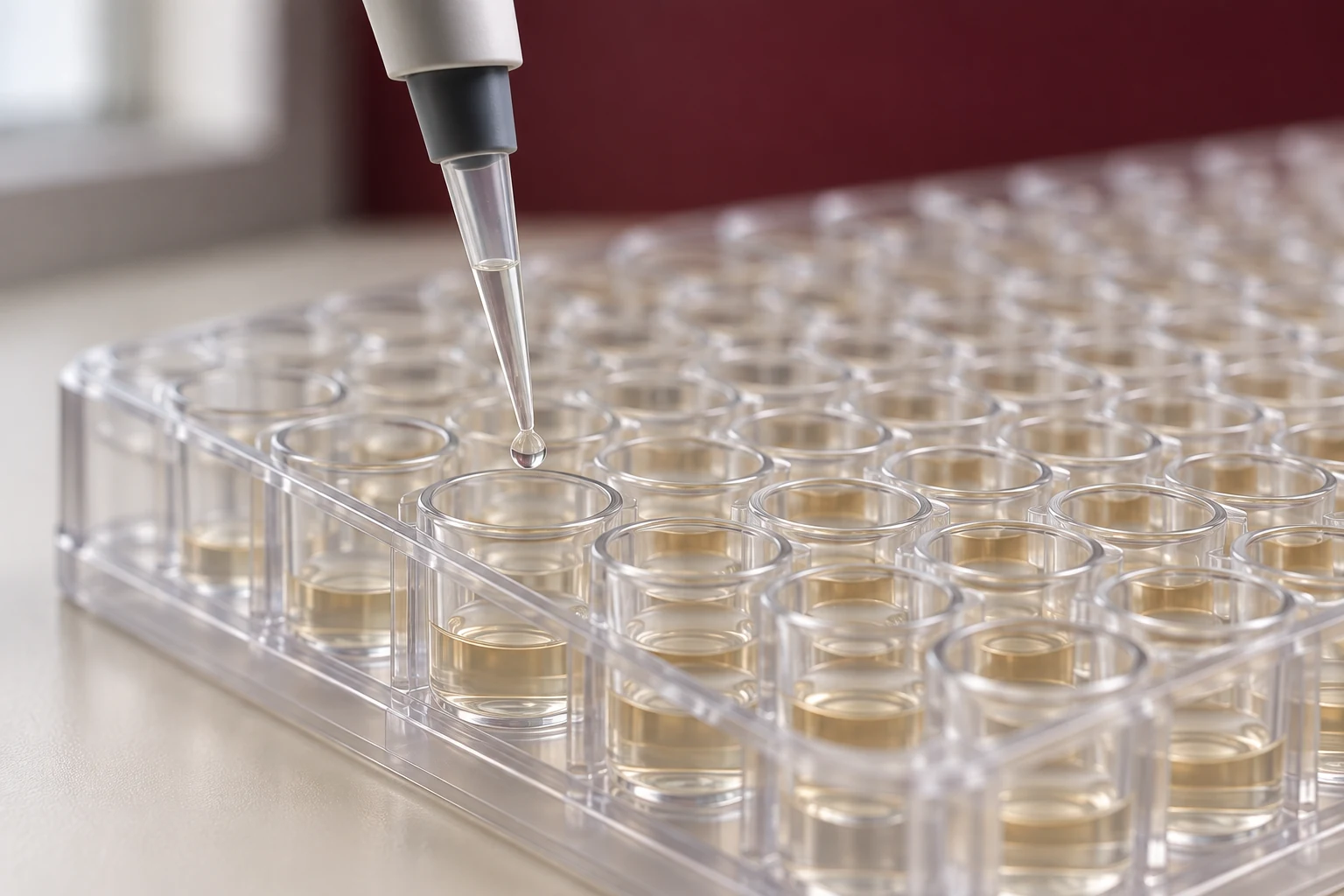
For a discovery programme, fermentation also matters because it can make a promising molecule at a scale that a natural source could not supply.
| Route | Strengths | Watch-outs |
|---|---|---|
| Plant extraction | Familiar, can support farming communities | Harvest variability, land use, scarcity |
| Chemical synthesis | Precise and scalable | Feedstocks, solvents and energy |
| Fermentation | Consistent, avoids animal sources, scalable | Feedstock, energy and purification footprint |
| Upcycled side-streams | Uses waste from other industries | Supply depends on the host industry |
Questions to ask about a fermentation-derived ingredient
- What organism and feedstock are used?
- How is the ingredient purified, and what residues are tested for?
- Is the specification consistent batch to batch?
- How does its footprint compare with the route it replaces?
- Is it permitted in every market the product will be sold in?
Questions
Are fermented ingredients the same as ‘fermented’ skincare?
Not always. Some products contain ferment filtrates, the liquid left after fermentation. Others contain a purified molecule that happened to be made by fermentation.
Are fermentation-derived ingredients natural?
Definitions vary by standard. Many certification schemes treat them case by case.
Does Anadoris Biotech use fermentation?
Fermentation is one of the sourcing routes we look at first when assessing candidates. We do not run a fermentation programme yet.
Related
This note is general information about cosmetic science, not medical advice and not a claim for any product. Anadoris Biotech’s research is at the exploration stage; see the platform page for what runs today and what is being built.