Short answer. The skin barrier is the outermost layer of skin, the stratum corneum: flattened cells held together by lipids, mainly ceramides, cholesterol and free fatty acids. It keeps water in and irritants out. Harsh washing, very hot water, low humidity indoors and over-exfoliation weaken it; gentle cleansing and the right moisturiser help it recover.
Bricks and mortar
Dermatologists often describe the stratum corneum as bricks and mortar. The bricks are corneocytes, flattened dead skin cells. The mortar is a structured mix of lipids that fills the gaps between them and slows water from escaping.
Inside the cells sits the natural moisturising factor (NMF), a mix of amino acids and other small molecules that hold water. Together, lipids and NMF keep skin supple.
How we know a barrier is struggling
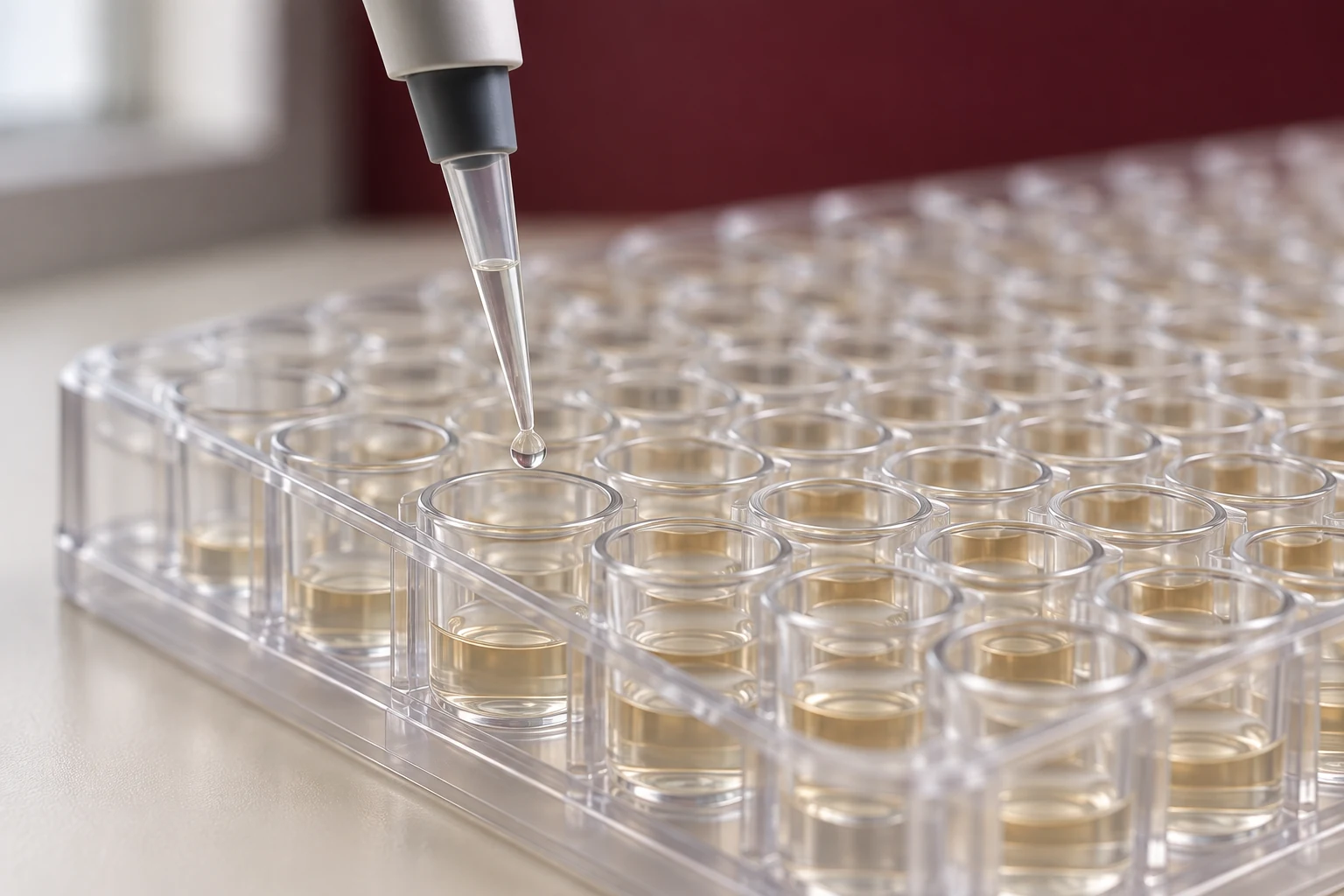
Researchers measure transepidermal water loss (TEWL): how much water passes out through the skin. A damaged barrier loses more. People notice it as tightness, flaking, stinging when products go on, or redness.
The barrier is also slightly acidic on the surface. Very alkaline cleansers can disturb that balance, which is one reason gentle, mild cleansers are preferred for daily use.
Why climate matters
In heat and humidity people sweat more and often wash more, sometimes with stronger cleansers. Then they spend hours in air-conditioning, where the air is dry. Skin can feel oily and dehydrated at the same time.
Body care that works in this climate needs to be light enough to wear in the heat and supportive enough for dry indoor air. That balance is one of the questions Anadoris Biotech is studying.
| Stressor | What it does | What usually helps |
|---|---|---|
| Harsh or frequent cleansing | Removes lipids along with dirt | Milder surfactants, shorter showers |
| Very hot water | Increases lipid loss | Lukewarm water |
| Dry air-conditioned rooms | Raises water loss from the surface | Moisturiser after washing |
| Over-exfoliation | Thins the outer layer faster than it renews | Less frequent exfoliation |
| Sun exposure | Adds inflammation and dryness | Sun protection and after-sun care |
A barrier-friendly body-care routine
- Wash with a mild cleanser and lukewarm water.
- Pat skin dry rather than rubbing.
- Apply moisturiser within a few minutes of washing.
- Choose formulas with humectants (such as glycerin) and lipids or emollients.
- Cut back on scrubs and exfoliating acids when skin stings.
Questions
Are ceramides in a cream the same as the skin’s own?
Some cosmetic ceramides are made to resemble skin ceramides. Creams that combine ceramides with cholesterol and fatty acids aim to resemble the skin’s own lipid mix.
Can oily skin have a damaged barrier?
Yes. Oil on the surface and water loss through the barrier are different things, so skin can be oily and dehydrated together.
How long does the barrier take to recover?
It depends on the cause and the person. Mild irritation often settles in days once the trigger stops; persistent problems need a dermatologist.
Related
This note is general information about cosmetic science, not medical advice and not a claim for any product. Anadoris Biotech’s research is at the exploration stage; see the platform page for what runs today and what is being built.