Short answer. Fresh sweat has little smell. Body odour comes from skin bacteria breaking down compounds in sweat from apocrine glands, found mainly in the underarms and groin. Deodorants reduce or mask that odour; antiperspirants reduce sweat. Work on the microbiome aims to keep odour down without stripping the skin.
Two kinds of sweat
Eccrine glands cover most of the body and release watery sweat that cools us. Apocrine glands, concentrated in the underarms and groin, release a richer secretion. Bacteria living on the skin feed on that secretion and release odorous molecules.
That is why the same person can sweat heavily from exercise without much smell, yet notice odour from the underarms after a warm day.
Deodorant or antiperspirant
A deodorant works on odour: it may reduce odour-forming bacteria, neutralise odour molecules or cover them with fragrance. An antiperspirant reduces the amount of sweat, usually with aluminium salts that temporarily plug sweat ducts. Many products combine both.
Working with the microbiome
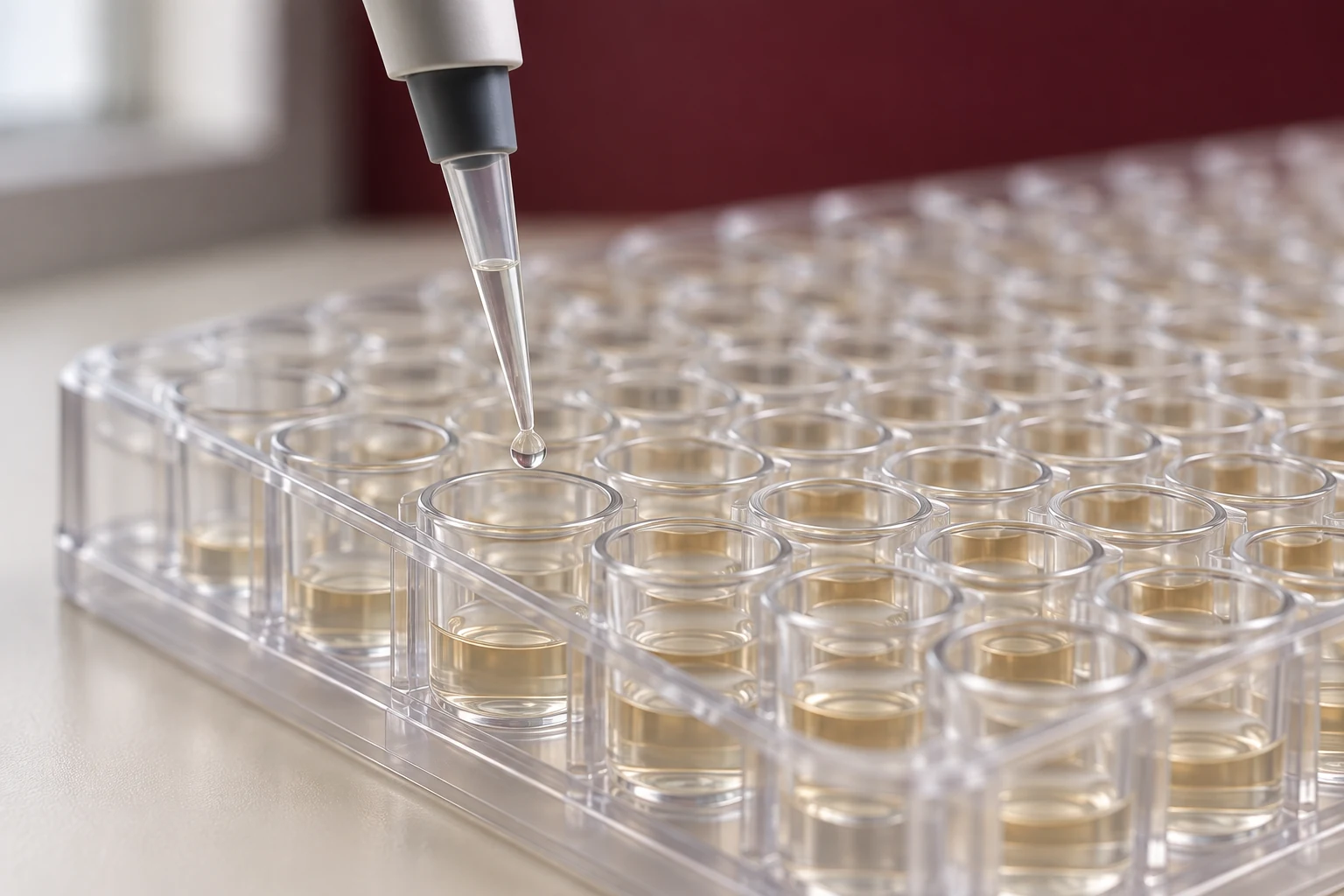
The skin hosts many kinds of bacteria, and not all of them cause odour. Harsh antibacterial approaches can disturb the balance. A growing area of research looks at supporting the skin’s ecosystem so odour-forming species have less advantage.
Fragrance has a role too. In fragrance-led body care, the aim is a scent that people want to wear, layered over a routine that keeps odour low, rather than a loud cover-up.
| Approach | How it works | Trade-off |
|---|---|---|
| Washing | Removes sweat and some bacteria | Odour returns as bacteria regrow |
| Deodorant | Reduces odour or odour bacteria, adds scent | Does not reduce sweat |
| Antiperspirant | Reduces sweat in the area | Some people prefer to avoid it |
| Breathable fabrics | Less trapped moisture | Depends on clothing |
| Microbiome-friendly care | Aims to shift the balance away from odour-forming bacteria | An emerging area; evidence still developing |
A simple routine for hot, humid days
- Wash underarms with a mild cleanser and dry them well.
- Apply deodorant or antiperspirant to clean, dry skin.
- Wear breathable fabrics and change out of damp clothes.
- Use a body lotion or mist in the same scent family for a consistent fragrance.
- See a doctor if odour or sweating changes suddenly.
Questions
Does diet affect body odour?
Some foods can change how people smell, but bacteria and apocrine sweat are the main drivers.
Are aluminium-free deodorants less effective?
They do not reduce sweat, because that is what aluminium salts do. They can still control odour.
Is microbiome deodorant proven?
It is an active research area. Look for products that state what was measured and how.
Related
This note is general information about cosmetic science, not medical advice and not a claim for any product. Anadoris Biotech’s research is at the exploration stage; see the platform page for what runs today and what is being built.