Short answer. A trustworthy cosmetic claim rests on a test designed before the results, with a comparison (a placebo, a base without the active, or the skin’s starting point), a stated panel size and type, and a claim that says only what was measured. Lab assays suggest; instrumental and human use tests on people are what support most on-pack claims.
Kinds of evidence
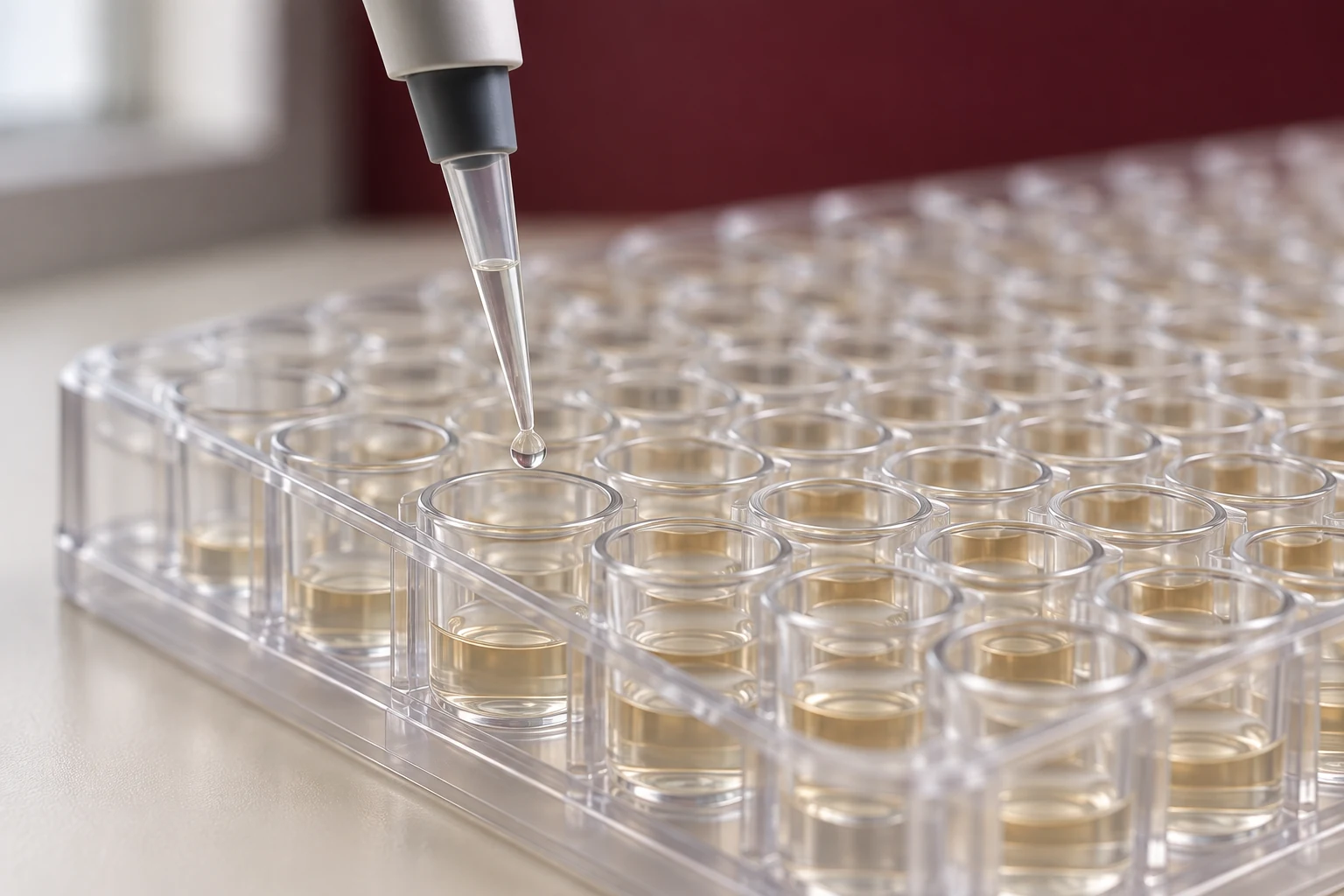
In-vitro tests, done on cells or skin models in the lab, show whether an ingredient can act on a target. Instrumental tests measure skin directly, for example hydration, water loss or colour. Expert grading uses trained assessors. Consumer perception tests record what users notice and feel.
Each answers a different question. A perception result ("skin feels softer") is a fair claim when stated as perception; it is not proof of a biological change.
Four rules we hold ourselves to
First, the method is decided before the test. Second, there is a comparison. Third, the panel size and who took part are stated. Fourth, the claim says what was measured and nothing more.
These rules are not new. They are how good science works, and they protect people from claims such as "clinically proven" that do not say what was proven, on whom or against what.
The Indian context
Cosmetics in India are regulated under the Drugs and Cosmetics Act and the Cosmetics Rules, 2020, administered by the CDSCO, and advertising claims are also subject to the Advertising Standards Council of India (ASCI) code. India prohibited animal testing of cosmetics in 2014 and later the import of cosmetics tested on animals. Brands should confirm current requirements with a regulatory adviser before making claims.
| Evidence | What it shows | Typical claim it can support |
|---|---|---|
| In-vitro assay | An ingredient can act on a target in the lab | Ingredient-level statements, carefully worded |
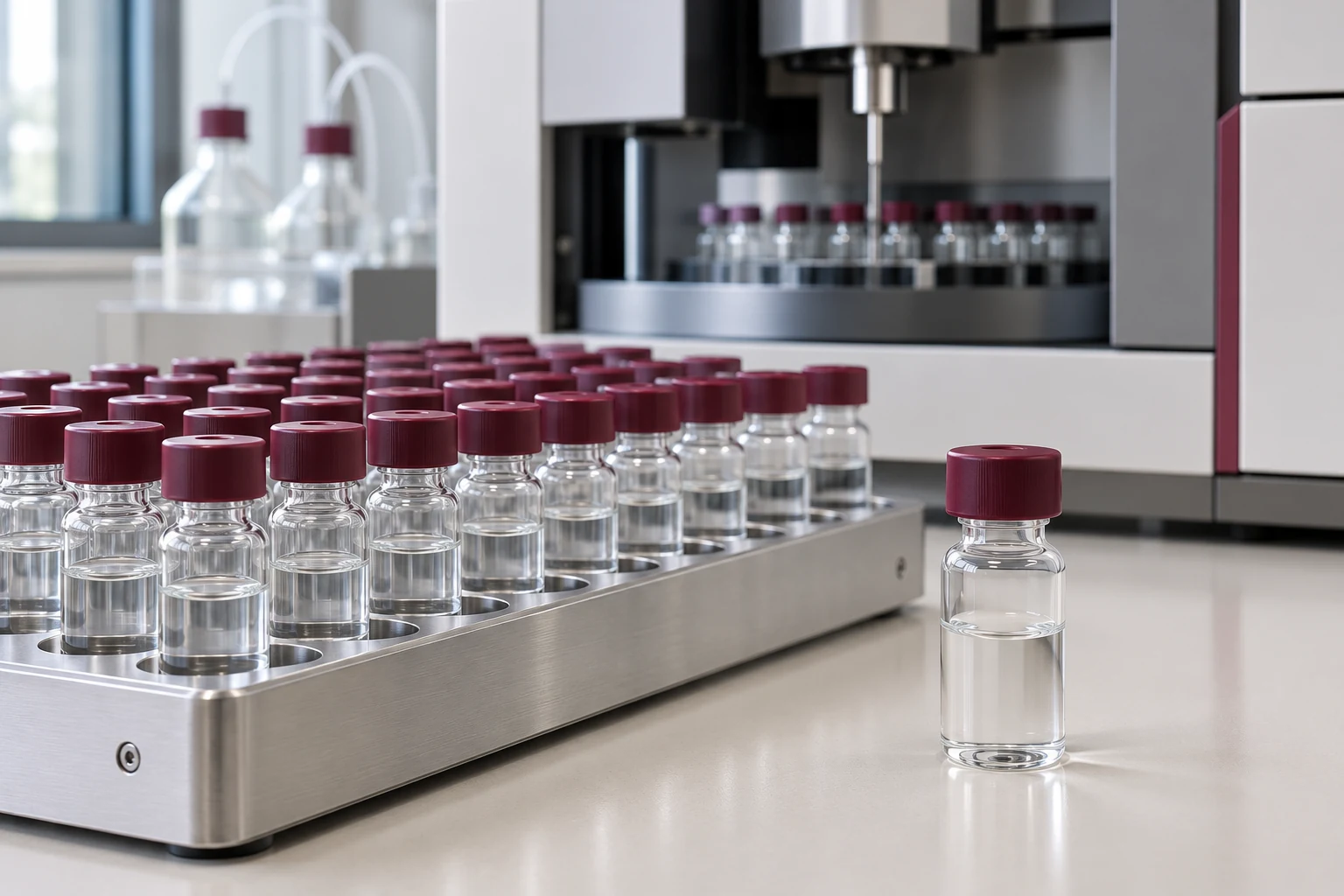
| Stability and compatibility testing | The product stays as intended over time | Shelf life and storage guidance |
| Instrumental test on people | A measured change in skin | "Increases skin hydration", with the method |
| Expert grading | A trained assessor sees a change | Visible-change claims |
| Consumer perception test | What users notice and feel | "Users said skin felt softer" |
How to read a claim on a label
- Ask what was measured: hydration, appearance, or how people felt.
- Look for the comparison: placebo, base or starting point.
- Check the panel: how many people, which skin types, how long.
- Be wary of claims that do not say what was proven.
- Remember that a lab result on an ingredient is not a result for the finished product.
Questions
What does ‘dermatologically tested’ mean?
Usually that a dermatologist supervised a test, often for tolerance. It does not by itself say what the result was or that the product does anything.
Can an in-vitro result go on a label?
Only with careful wording. A lab result on an ingredient does not show what the finished product does on skin.
Does Anadoris Biotech test on animals?
No. Testing cosmetics on animals is prohibited in India, and our validation plan uses in-vitro methods and human use tests.
Related
This note is general information about cosmetic science, not medical advice and not a claim for any product. Anadoris Biotech’s research is at the exploration stage; see the platform page for what runs today and what is being built.